

Salsa School: Salsa Verde
What salsa verde is, how to make it your own, and three recipes to get you started

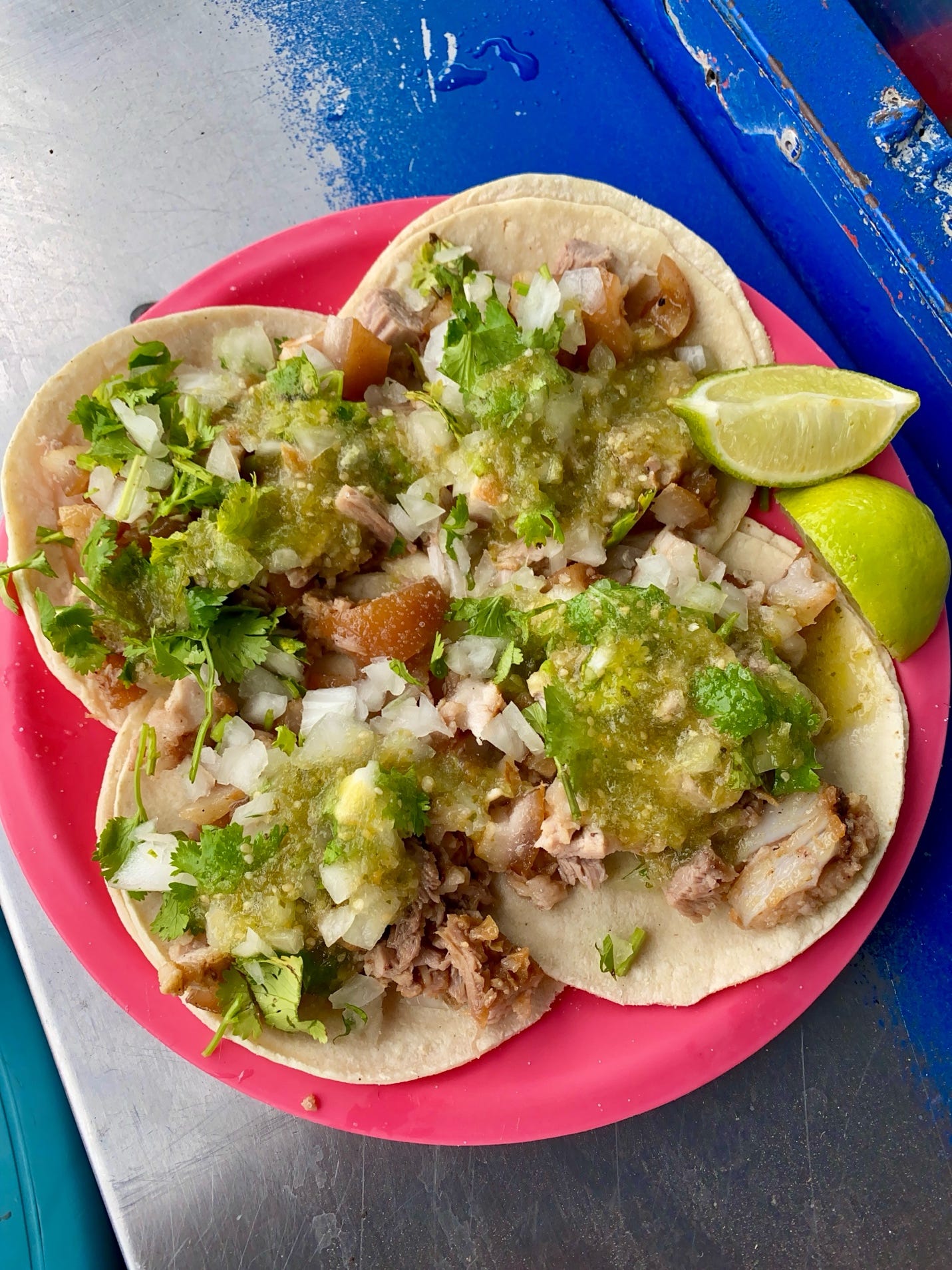
Salsa verde means green salsa.
It isn’t one recipe, and there isn’t one authentic version. It’s a category of salsas that can be raw or cooked, smooth or chunky, mild or extremely hot.
The only real requirement is that the finished salsa is green, even if it’s dark, pale, or olive.
Tomatillos are probably what most people picture when they think of salsa verde. But the green can also come from cucumber, poblano chiles, nopales, avocado, leafy greens, herbs, green fruit, or a combination of several of them. And just like salsa roja can contain green ingredients, salsa verde can contain ingredients that aren’t green. Red onion, orange habanero, red chiltepín, or a red dried chile can all go into the salsa as long as the color stays predominantly green.
That means the sky’s the limit on how you want to make it. Think of it like a choose-your-own-adventure recipe.
These six things will help you make a salsa verde that’s perfect for you and whatever you’re going to put it on.
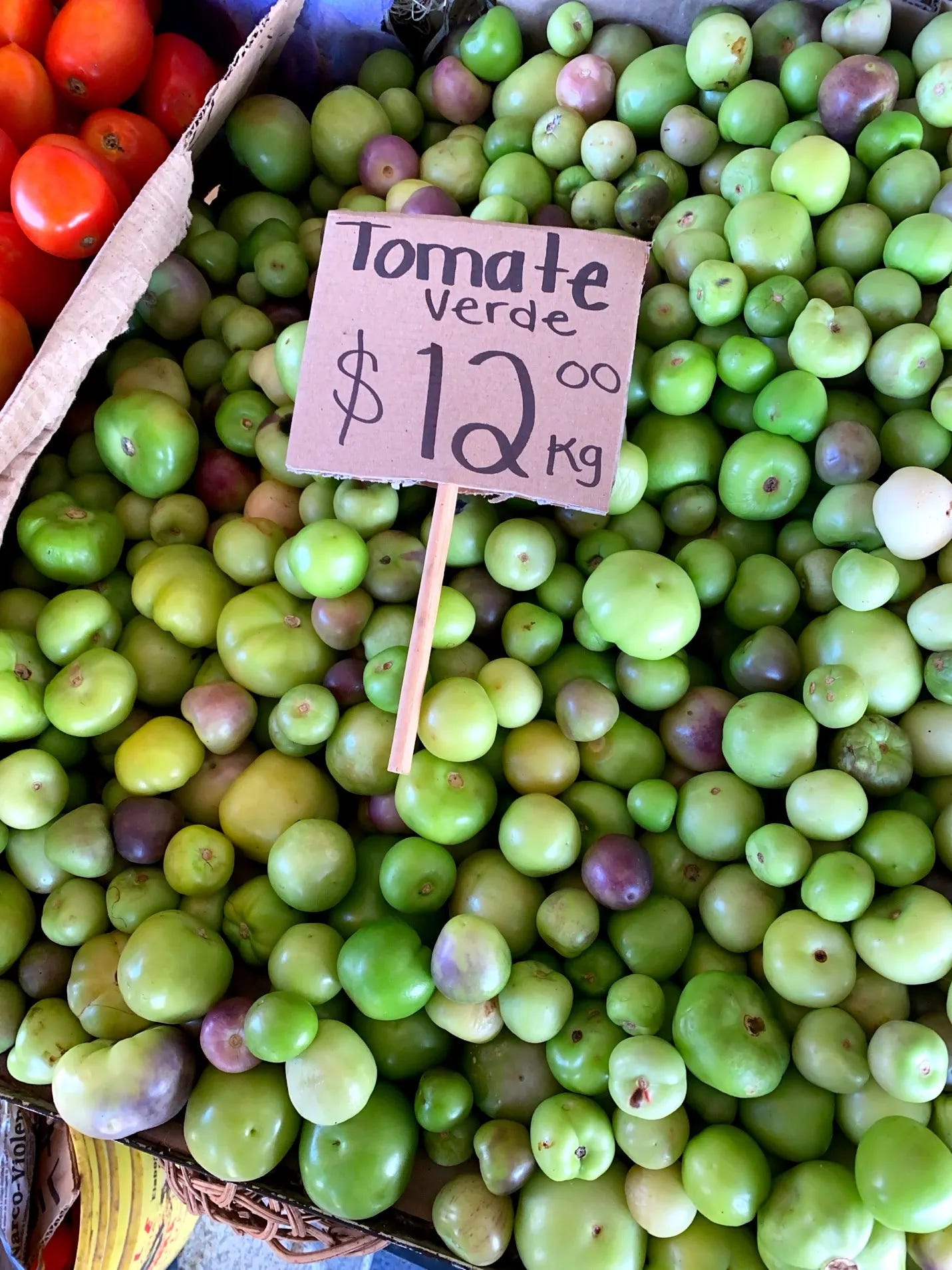
1. Decide what makes it green
This is the ingredient, or group of ingredients, that’ll make up most of the salsa.
Tomatillos are the classic. I love them because they’re tart, juicy, and fruity and they already bring enough acidity that you don’t need to add any lime juice. But tomatillos aren’t your only choice.
You can use cucumber, roasted poblano, avocado, nopales, spinach, lettuce, green apple, kiwi, green mango or papaya, green strawberries, grapes, herbs, or a combination of some or all of them.
You can also use an ingredient just for the color like spinach. A handful of spinach, green onion tops, other leafy greens or herbs can make a pale salsa greener. Poblano gives you color along with chile flavor and a little sweetness. Avocado will thicken a thin salsa and make it pale and creamy.
And don’t forget that green doesn’t have to mean bright emerald green. Cooked tomatillos turn olive. Charred vegetables will add a deep green color with flecks of black. Your salsa can be pale, grassy, yellow-green, olive, or almost forest green and still be salsa verde.

2. Choose the heat
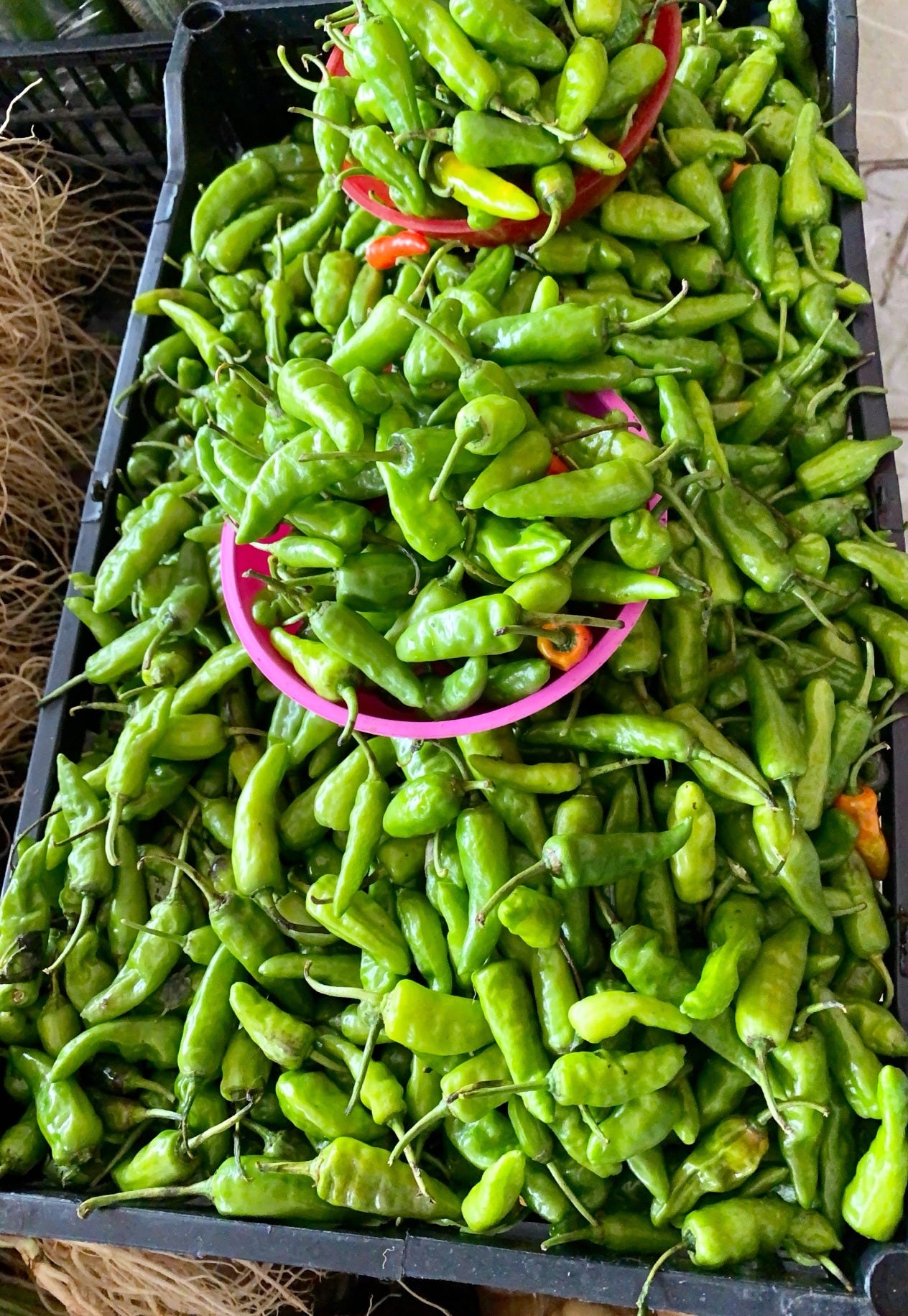
Now decide how spicy you want it and what kind of chile flavor you want it to have. Chile heat can vary dramatically, so use this guide to pick and choose what sounds good to you.
Fresh chiles, roughly from mild to hot:
Poblano: Vegetal, fruity, and mild. Poblanos are great when you want chile flavor, green color, and body without much heat.
Jalapeño: Grassy and vegetal, with medium heat.
Serrano: Bright and grassy, with medium-high heat.
Habanero: Floral and tropical, with intense heat. Can be green, yellow, orange or red.
You don’t have to stay with green chiles just because you’re making salsa verde. Chiltepín and chile de árbol are both fantastic in salsa verde if you use enough green ingredients to keep the finished color where you want it.
Other ways to bring heat:
Chiltepín: Fruity and extremely hot, with a burn that fades pretty quickly.
Chile de árbol: Bright, sharp, and very hot.
Crushed red pepper flakes: Hot, with a slightly fruity chile flavor.
Cayenne: Almost pure heat, with little flavor.
I also love mixing chiles. Poblano and serrano give you sweet, mellow chile flavor with medium heat. Jalapeño and serrano give you a deeper grassy, vegetal flavor with a hotter finish. Serrano and habanero give you bright green heat with a floral, tropical kick.
The color of the chile doesn’t determine whether the salsa is roja or verde. The color of the finished salsa does.
3. Give it some bite
Now choose onion, garlic, both, or neither.
Raw onion and garlic give the salsa a sharper flavor. Cooked onion and garlic become softer and less aggressive. Roast, char, or caramelize them, and they’ll become smoky and sweet.
White onion is standard in Mexico, but salsa verde gives you a good excuse to use the rest of the allium family. Spring onions, scallions, chives, garlic scapes, shallots, or even the green tops from onions can all work. Use what you like or what you already have. You don’t need to go to the store because a recipe says “white onion.”
If you don’t want or can’t eat onion or garlic, try:
Radish or daikon: Sharpness and crunch.
Jícama or celery: Moisture, freshness, and crunch.
Roasted fennel or roasted green bell pepper: Sweetness, softness, and body.
Roasted mushrooms or miso: Savory depth.
Asafoetida: Onion-and-garlic-like pungency. Use one small pinch, about 1/16 teaspoon, for 2 cups of salsa.

4. Balance it
This is where your personal sazón really starts to blossom. Taste the salsa, then decide what you want to add.
Depth
Without enough salt, you won’t fully taste the tomatillo, chile, fruit, herbs, or anything else. You can use salt by itself, combine it with one of the ingredients below, or skip the plain salt and use one of these instead. They’re all salty, but each brings a completely different flavor.
Jugo Maggi: Dark, roasted, malty, and slightly sweet, with a flavor similar to soy sauce.
Soy sauce: Roasted, malty, and fermented.
Fish sauce: Anchovies, fermentation, and funk. Start with a small amount because you’ll definitely taste it.
Chicken bouillon: Chicken flavor and umami, especially good in cooked salsas.
MSG: Intensifies the umami already present in the ingredients. It’s especially good with roasted or charred vegetables.
Queso Cotija: Dry, tangy, and slightly milky.
Feta: Tangy, briny, and slightly funky.
Parmesan: Nutty and aged, with plenty of umami.
Cheese will also make the salsa more substantial and change its texture, so it’s doing more than just seasoning it.
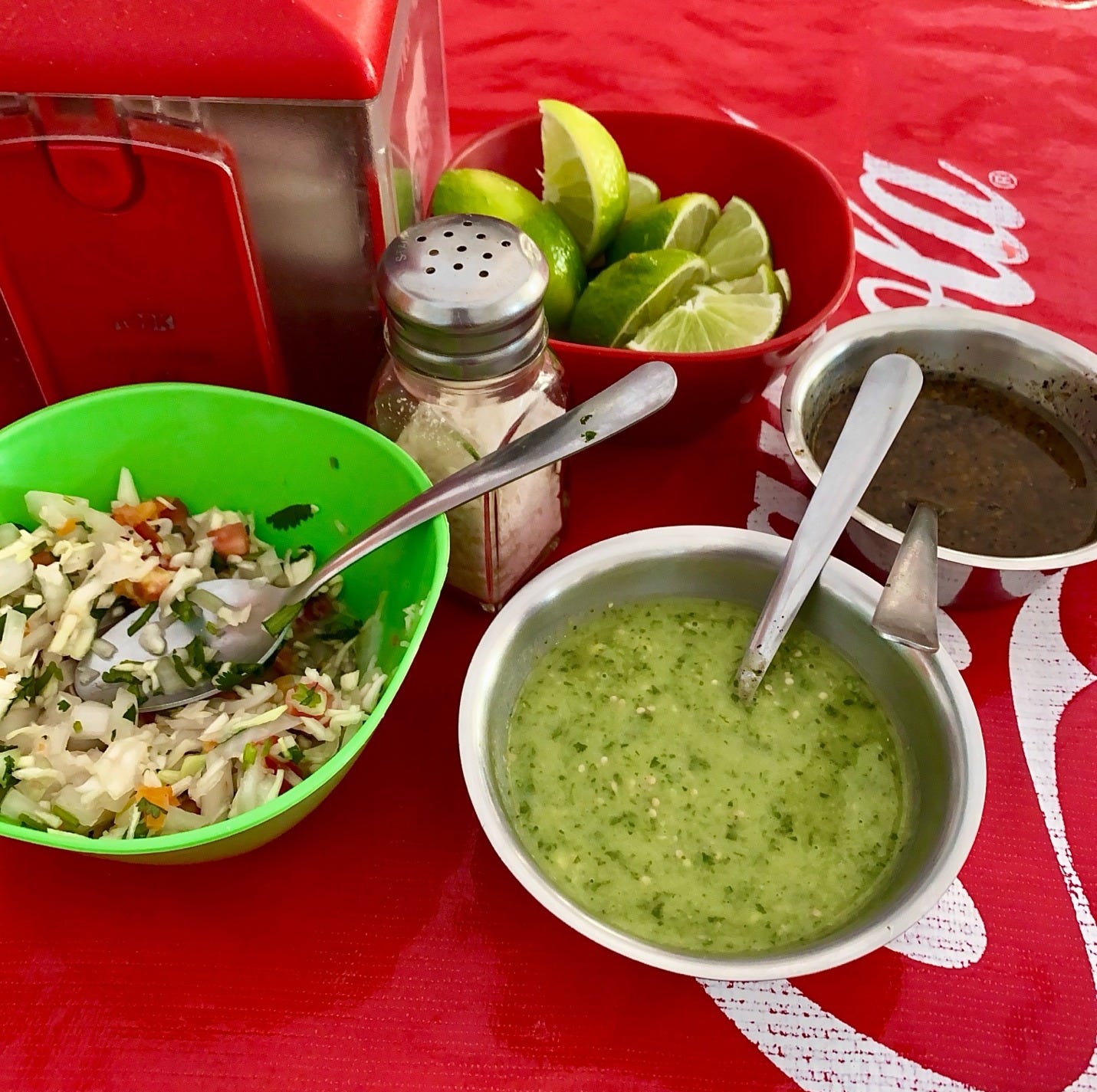
Brightness (and how to tone it down)
Tomatillos and many green fruits are pretty tart so you probably won’t need to add more acid, but instead, need to balance what’s already there. If your salsa tastes too sour or tart, add a touch of sweetness:
Agave: Natural sweetness that dissolves easily, mild flavor.
Honey: Sweetness with floral flavor.
Sugar: Sweetness without flavor.
Piloncillo: Deeper sweetness with caramel and molasses notes.
Sweet fruit: Grapes, ripe kiwi, pear, melon, or other sweet fruit can soften tartness while adding their own flavor and texture.
Start small, taste, and add more if you need it. You don’t want to make a dessert salsa! You’re just using sweetness to bring the acidity back into balance.
On the other hand, if you’re making a salsa with something greener and sweeter or less acidic, you may need to add a little tartness:
Lime, lemon, or sour orange: Floral, fruity citrus acidity.
Vinegar: Sharper and more aggressive. Add slowly, about a teaspoon at a time.
Jalapeño or other chile escabeche brine: Vinegar plus the flavor of chile, garlic, herbs, and spices.
Tomatillo or tart green fruit: A rounder, sour plum-like acidity.
Richness
Fat adds body and a smoother mouthfeel. More importantly, it tames the chile’s heat. If your salsa is too spicy, stir in oil, crema, avocado, or another fatty ingredient.
Olive oil: Adds grassy or peppery flavor and dampens the perception of chile heat.
Neutral oil: Adds little flavor but also dampens the perception of chile heat.
Lard: Roasted pork flavor.
Nut or seed oil: The distinct flavor of whichever nut or seed it’s made from.
Crema or sour cream: Tangy, cultured dairy flavor.
Heavy cream: Mild, slightly sweet dairy flavor without the tang of crema.
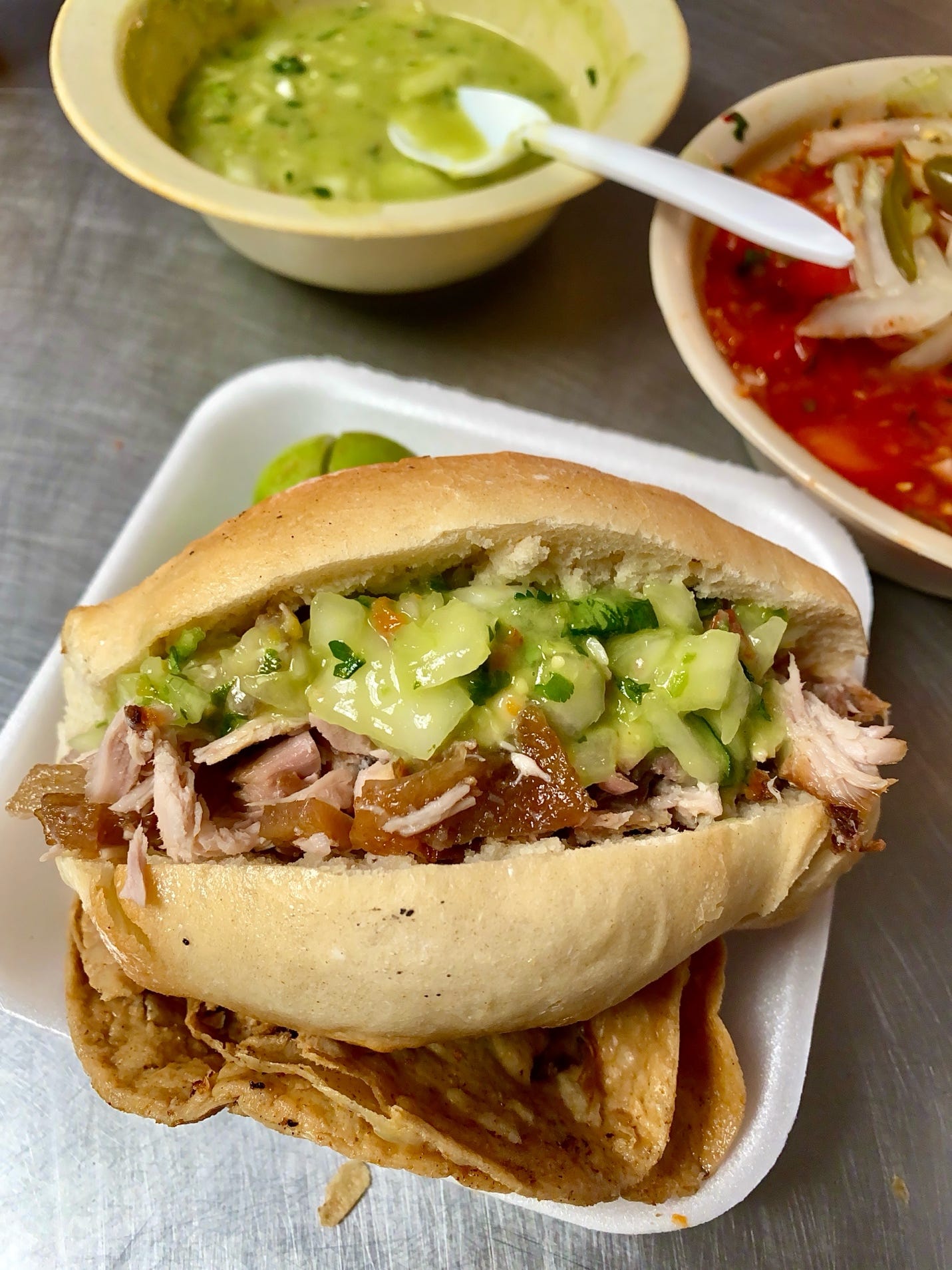
Avocado: Buttery, vegetal flavor and a thicker texture.
Nuts and seeds: Toasted flavor, texture, and thickening power.
Salsa Verde is especially good with avocado, pumpkin seeds, sesame, peanuts, and other nuts and seeds. Just don’t go crazy or you’ll end up with a beige salsa and not green!
Freshness
Cilantro isn’t the only herb used in Mexico. And there are no herb police.
Use whatever herb you like or already have: basil, parsley, mint, lemon balm, tarragon, epazote, hoja santa, chives, fennel fronds, or another tender, leafy herb. Basil, mint, or lemon balm works beautifully. Hoja santa has a sarsaparilla-like flavor that is particularly good with green salsas.
I’d avoid woody herbs like rosemary or thyme in a fresh salsa. But if you love them, use them. It’s your kitchen.

5. Raw or cooked?
Do you need salsa in five minutes, or do you have an hour?
If you’ve got fresh tomatillos, cucumber, avocado, kiwi, herbs, or other produce that already has a lot of flavor, you may not need to cook anything. Chop it, smash it, or put it into the blender and you can have salsa in five minutes.
Raw tomatillos are especially tart, crisp, and juicy. Cooking them changes them dramatically.
Simmer or boil: Softens the flavor of tomatillos and makes them super tender so you’ll get a smoother, olive-green salsa. Onion, garlic, and chiles will lose some of their bite.
Roast: Reduces moisture, concentrates flavor, softens the vegetables, and develops sweetness and a slight browning which gives a darker olive-green color.
Char: Adds smoky, blackened, bitter flavors. Tomatillos can be very tart, and I love the way a little bitterness from charring pushes against that acidity. Darker green with black flecks.
Fry the ingredients: Sauté tomatillos, chiles, onion, or garlic in butter, oil, or lard to soften and brown them, reduce their moisture, add a touch of sweetness, and concentrate their flavor.
Cook the finished salsa: Once a salsa is blended, you can cook it again or fry it in oil or lard. This is particularly useful when the salsa is going into enchiladas, chilaquiles, eggs, pork, chicken, or another dish where you want a thicker cooking sauce instead of a fresh table salsa.
You can also combine methods. In Salsa Verde Tatemada, I char the tomatillos, serrano, and jalapeños, sauté the poblanos, onion, and garlic in olive oil, blend everything with broth, and then simmer the finished salsa until it thickens. One salsa, several treatments.
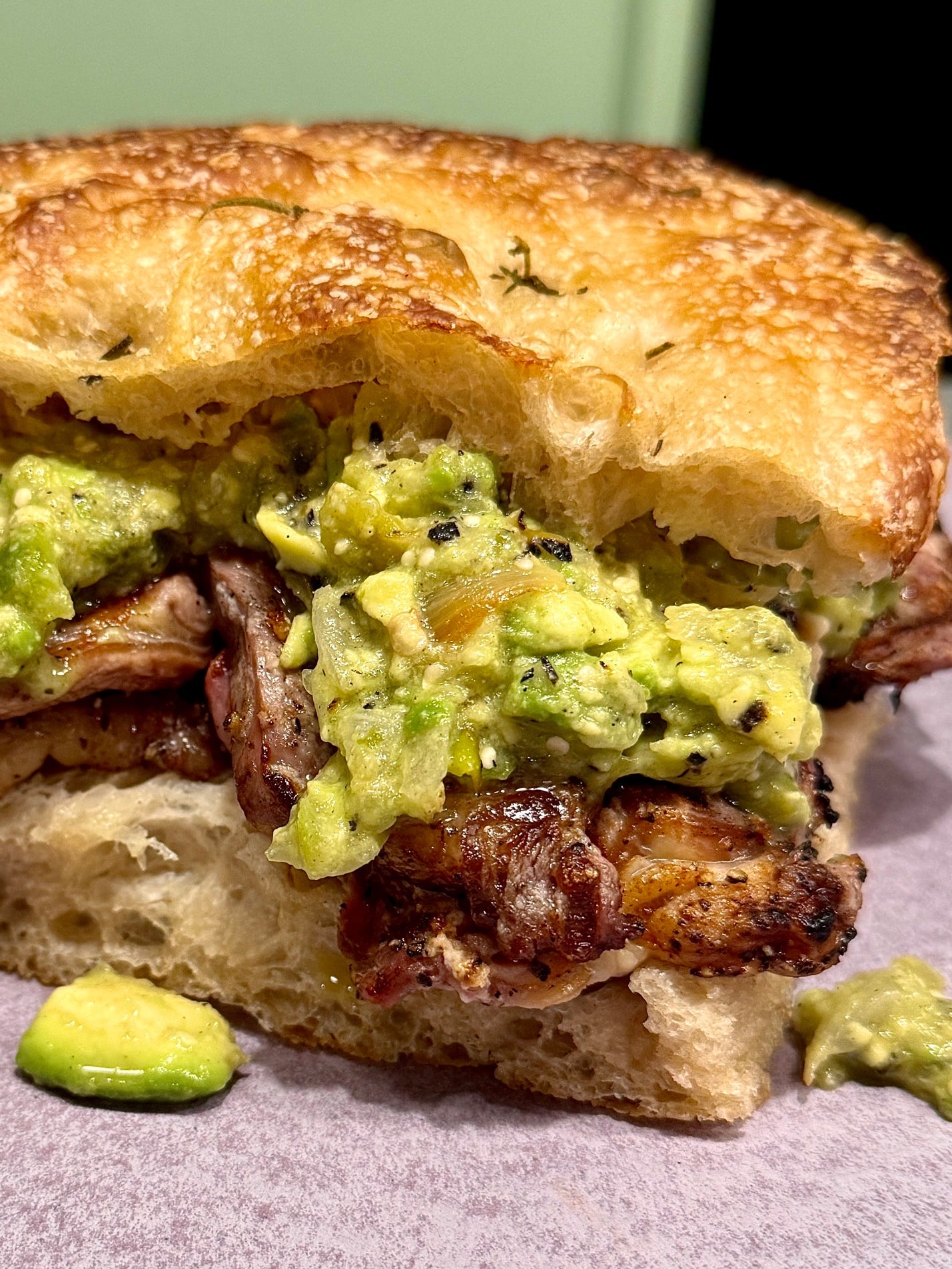
You can also decide whether you want the salsa to echo the flavor and texture of the food you are serving it with or create a contrast. A raw cucumber and tomatillo salsa with fried fish gives you something cool, tart, and crunchy against the hot fried coating. A charred verde on grilled meat pushes the smoky flavors further.
6. Smooth or chunky?
Soft foods like beans, eggs, birria, carnitas, enchiladas, or a creamy guiso often benefit from something chopped or smashed that gives you more texture. Crisp or dry foods like fried fish, milanesa, tostadas, or crunchy tacos can use something smoother and more liquid to add moisture.
Choose the texture:
Smooth: Blend it so it pours, spreads, and coats the food.
Smashed: Crush it in a molcajete, mortar and pestle, or a bowl with a potato masher to make a chunky salsa.
Chopped: Cut everything into small pieces to make a green pico de gallo-like salsa that adds texture to whatever you’re eating.
A blended salsa doesn’t have to be completely smooth. Pulse it if you want some texture.
Never blend above medium-low speed. Higher speeds incorporate air, making the salsa pale and foamy and can activate the pectin in fruits and tomatillos. Tomatillos are prone to thickening as they sit when they’ve been blended too aggressively. Nobody wants salsa jelly!

Now Make It
Here are three recipes to try: raw and chopped, simmered and smashed, and charred and blended. Pick the one that sounds best or make all three.
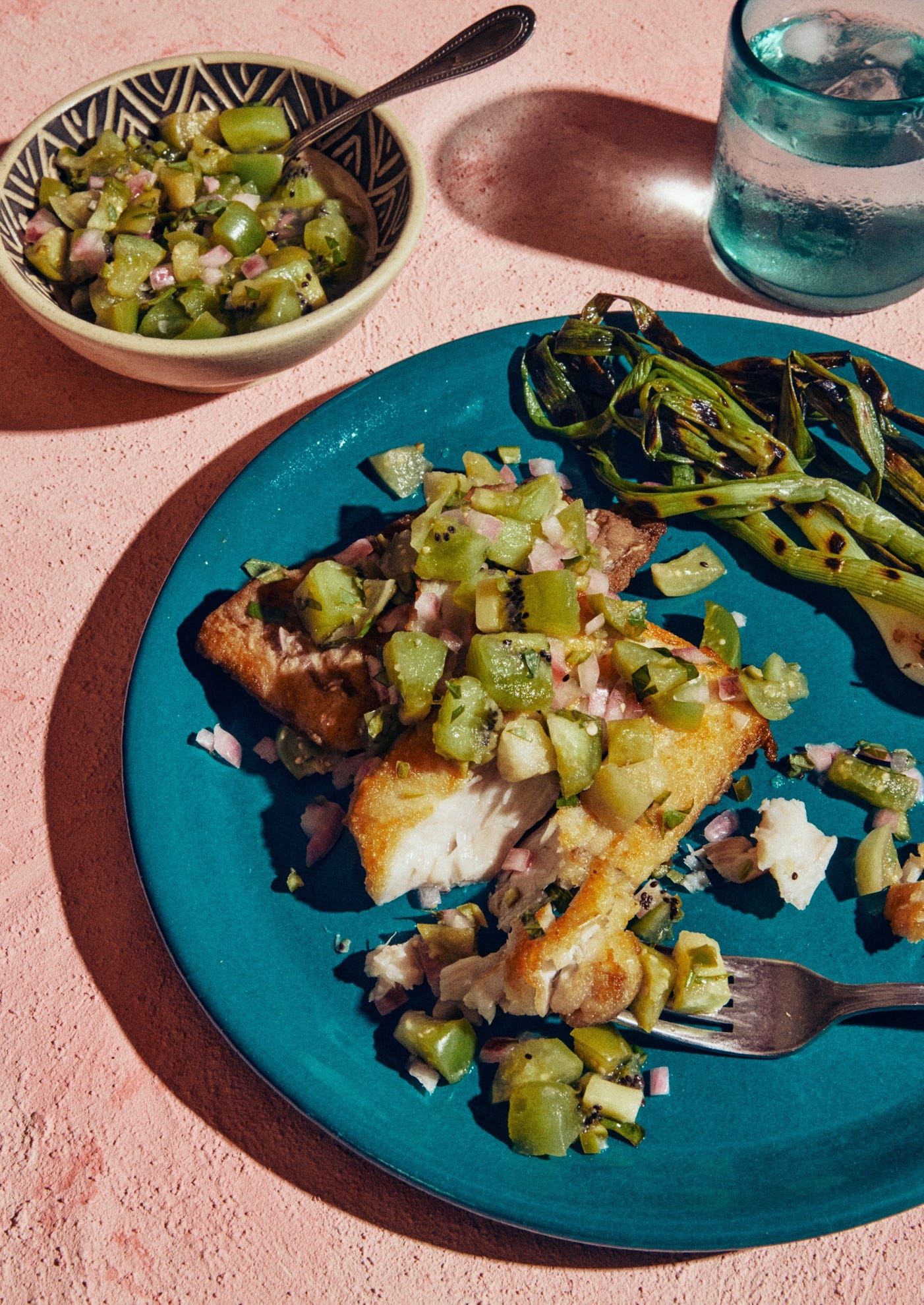
Besitos de Kiwi
Kiwi Kisses
Raw and chopped.
Tomatillo, kiwi, and serrano.
This one is a great example of why salsa verde doesn’t have to mean tomatillo and jalapeño. The tomatillos bring acidity, the kiwi adds sweetness and tropical fruit flavor, serranos bring the heat, and basil, mint, or lemon balm gives you another layer of green freshness.

Makes 2 cups
4 medium tomatillos (8.4 oz/240 g), husked, rinsed, and chopped
3 medium kiwis (8.8 oz/251 g), peeled and chopped
¼ medium red onion (3.1 oz/89 g), chopped
3 chiles serranos (1.6 oz/45 g), stemmed and chopped
1 garlic clove, grated
2 tablespoons chopped fresh basil (0.28 oz/8 g), or mint/lemon balm
2 tablespoons fresh lime juice, plus more to taste
1½ teaspoons Diamond Crystal kosher salt (0.21 oz/6 g), plus more to taste
Here’s an affordable chef’s knife that I recommend. But if you’re ready to step up your game, check out this Japanese chef’s knife.

In a medium bowl, gently stir together the tomatillos, kiwis, onion, serranos, garlic, basil, lime juice, and salt until completely combined. Taste and season with more salt and lime juice if desired. Let sit, uncovered, for about 10 minutes so the flavors can meld.

Do ahead: The salsa can be made up to 1 day ahead. Store in an airtight container in the refrigerator.
Serving suggestions: Any and all seafood, Coconut Shrimp, raw oysters, ceviche, vegetable carpaccio, or even birria, carnitas, or grits. Anything soft that needs some texture.
Why grate the garlic? Grating makes the garlic melt into the salsa so you don’t get bites of hot, raw garlic.

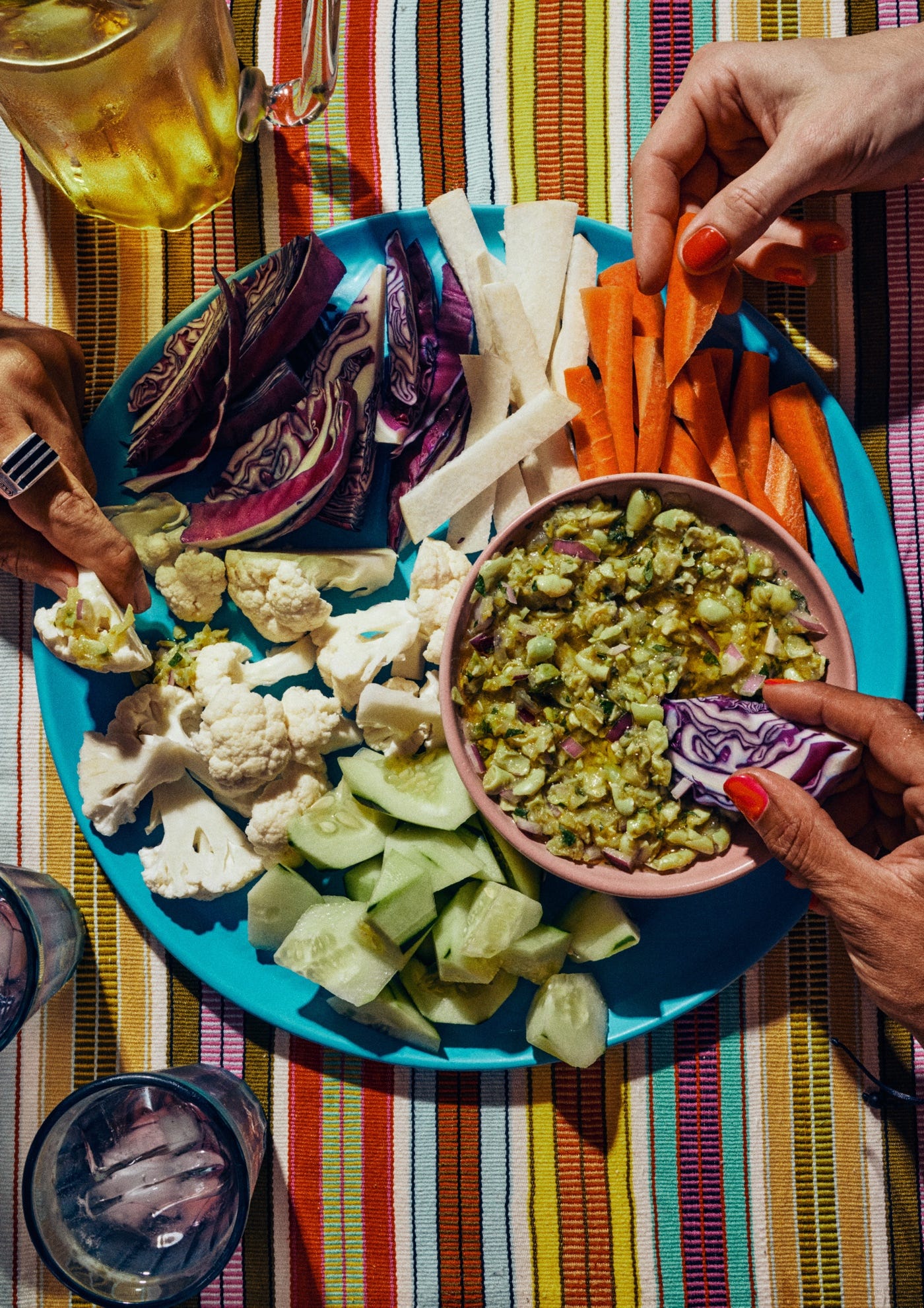
La Haba Fresca
The Fresh Fava
Simmered and smashed.
Stewed tomatillo, jalapeño, and fresh favas.
This salsa is doing several things at once. Simmering softens the tomatillos, onion, jalapeños, and garlic. The fava beans give the salsa a substantial, chunky texture, and the mint gives you freshness without using cilantro. If you can’t find fresh or frozen favas, use peas.
Makes 2 cups
4 medium tomatillos (8.8 oz/250 g), husked and rinsed
¼ medium white onion (3.1 oz/89 g)
2 chiles jalapeños (2.2 oz/62 g), stemmed
1 garlic clove, peeled but whole
1⅓ cups shelled fava beans (6 oz/170 g), fresh or thawed frozen
2 tablespoons chopped fresh mint leaves (0.28 oz/8 g)
1½ teaspoons Diamond Crystal kosher salt (0.21 oz/6 g), plus more to taste
In a medium saucepan, combine ½ cup water, the tomatillos, onion, jalapeños, and garlic and bring to a boil. Cover, reduce to a simmer, and cook until the tomatillos have softened and are just holding their shape, about 10 minutes. Transfer to a plate to cool and reserve the cooking liquid.
Working in batches, use a molcajete or mortar and pestle, or a medium bowl with a potato masher, large spoon, or forks, to smash and grind the tomatillos, onion, jalapeños, garlic, and fava beans until a chunky but pourable salsa forms. Thin the salsa with a little of the cooking liquid if desired. Alternatively, use a blender and purée on low speed until the salsa is almost smooth but some pieces remain.
Transfer to a medium bowl and stir in the mint and salt. Taste and season with more salt if desired. The fava beans will absorb liquid as they sit, so use the reserved cooking liquid to thin the salsa before serving.
Do ahead: The salsa can be made up to 2 days ahead. Store in an airtight container in the refrigerator, or freeze for up to 1 month.
Serving suggestions: Perfect with raw, roasted, fried, or grilled vegetables. Amazing with cheese, like a grilled cheese sandwich, Tex-Mex enchiladas, or a quesadilla. Or use it as a dip with pita chips or crackers.
Swap corner: Don’t have access to fresh or frozen fava beans? Give peas a chance!
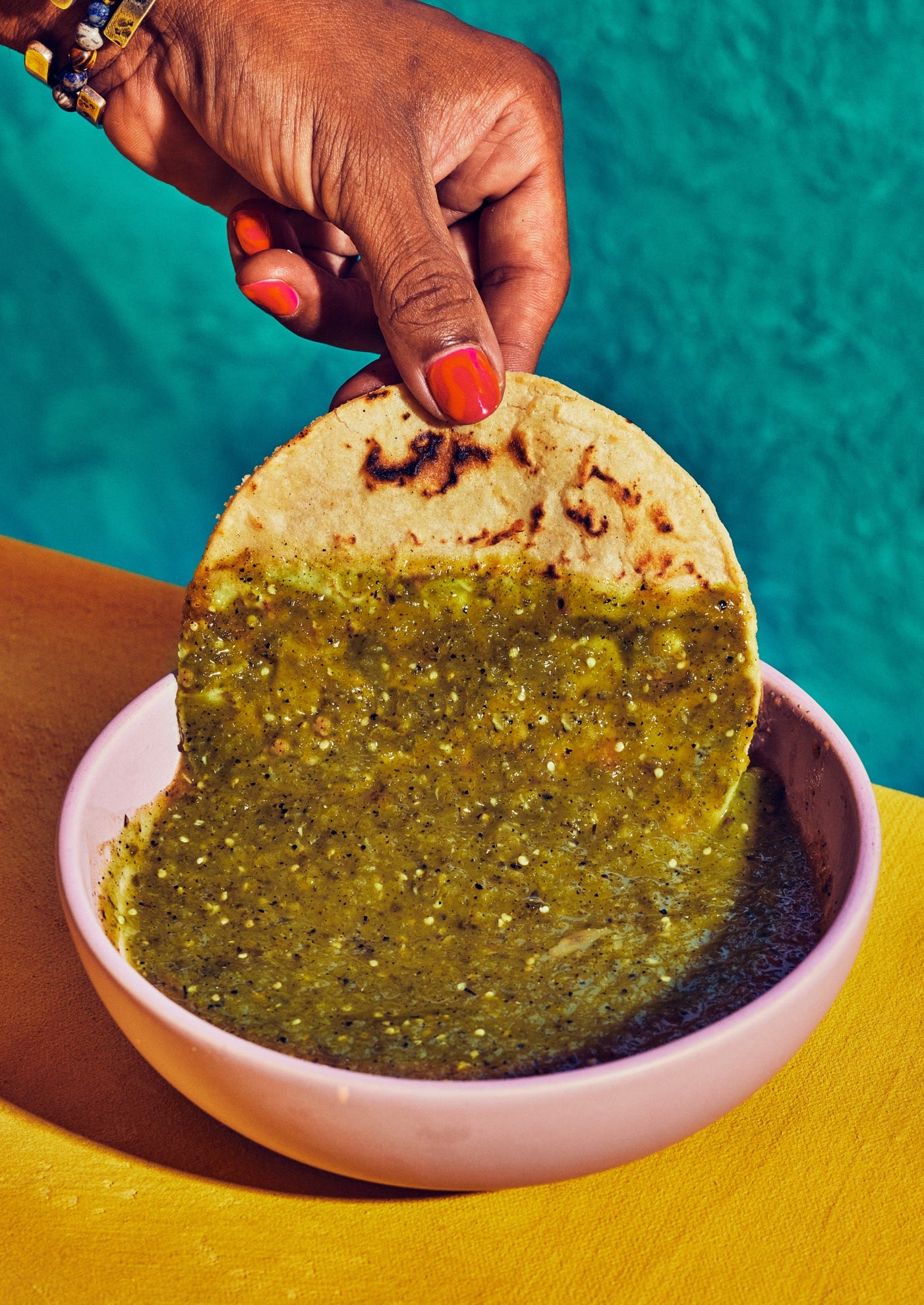
Salsa Verde Tatemada
Charred Green Salsa
Charred and blended.
Tomatillo, serrano, jalapeño, and poblano.
This is the salsa verde I want for chilaquiles. The tomatillos, serrano, and jalapeños get deeply charred, while the poblanos, onion, and garlic brown in olive oil. The bitterness of the char balances the tartness of the tomatillos, then everything gets blended with broth and simmered until it becomes a thicker cooking salsa.
Makes 1 quart
7 medium tomatillos (15.8 oz/449 g), husked and rinsed
1 chile serrano (0.6 oz/18 g), stemmed
2 chiles jalapeños (2.3 oz/66 g), stemmed
3 tablespoons extra-virgin olive oil
2 medium chiles poblanos (9.5 oz/268 g), stemmed, seeded, and roughly chopped
¼ medium white onion (3.7 oz/105 g), roughly chopped
3 garlic cloves, peeled and smashed but still holding their shape
1 tablespoon Diamond Crystal kosher salt (0.42 oz/12 g), plus more to taste
2 cups low-sodium vegetable or chicken broth, or water
2 teaspoons vegetable or chicken bouillon powder, optional
Line a large cast-iron skillet with a sheet of foil and heat the skillet over high until very hot. I’d recommend opening the windows and turning your exhaust on high. Add the tomatillos, serrano, and jalapeños and cook, using tongs to turn occasionally, until everything is charred on all sides, 4 to 5 minutes for the chiles and 8 to 10 minutes for the tomatillos. Alternatively, arrange an oven rack in the top position and preheat the broiler to high. Arrange the vegetables on a foil-lined sheet pan and roast, turning occasionally, until all sides are charred. Transfer to a plate to cool.
Meanwhile, in a medium saucepan, heat the oil over medium-high. Add the poblanos, onion, garlic, and salt and cook, stirring occasionally, until the onion and poblanos are browned, 8 to 10 minutes.
Transfer the poblano mixture to a blender, making sure to scrape everything in. Add the charred tomatillo-chile mixture, the broth, and bouillon powder, if using, and purée until smooth.
Return the salsa to the same saucepan and bring to a boil. Reduce to a simmer and cook, stirring occasionally, until the salsa has thickened to the consistency of heavy cream, about 10 minutes. Taste and season with more salt if desired.
Do ahead: The salsa can be made up to 3 days ahead. Store in an airtight container in the refrigerator, or freeze for up to 3 months.
Use in: Enchiladas, Enchiladas Gratinadas, or Chilaquiles.

I’ll admit my bias. Most days, if you give me the choice between salsa roja and salsa verde, I’m probably going for the verde. I love the tart, juicy flavor of tomatillos and the heat of fresh green chiles.
But what I hope you take away from this guide is that salsa verde can be so much more than tomatillo and jalapeño.
Open your refrigerator. Maybe you have half a cucumber, a few tomatillos, some herbs that need using, a poblano from last night, a kiwi, half an avocado, or a handful of greens. Start there. Add a chile. Add some onion or garlic. Taste it. Decide whether it needs salt, acid, fat, or herbs. Leave it raw or cook it. Chop it, smash it, or blend it.
That’s the part of making salsa I love most. You don’t have to know exactly where you’re going when you start. You can taste, change direction, add something else, and keep going until the salsa tastes the way you want it to.
Take these recipes, change the ingredients, have fun, make them your own, and make someone smile with your food.
For more salsa tips, tricks, hacks, and creative recipes, check out Salsa Daddy, my book dedicated to salsa and the easy weeknight Mexican recipes to pair with them.


If these three salsa recipes made you hungrier, there are more than 190 recipes in the archive waiting for you on the paid side of Sazón, with a new one added every week and a live cooking class every month.
A paid subscription is $50 for the year. That works out to about 26 cents per recipe, before you even count the new recipes and classes.
If this kind of cooking makes you happy, you know what to do.

Rick Martínez
James Beard Award winner, Mexican cookbook author, and creator of Sazón, my weekly Mexican cooking newsletter with Mexican recipes, cooking techniques, original dishes, and deep-dive guides from my life in Mexico.
Some links on this page are affiliate links, which means I may earn a small commission if you buy something through them, at no extra cost to you. As an Amazon Associate I earn from qualifying purchases. That commission helps me keep cooking, testing, photographing, filming, writing, and sharing Sazón with you.