

Salsa School: Salsa Macha - Part 1
Why Salsa Macha Deserves a Spot in Your Fridge Forever

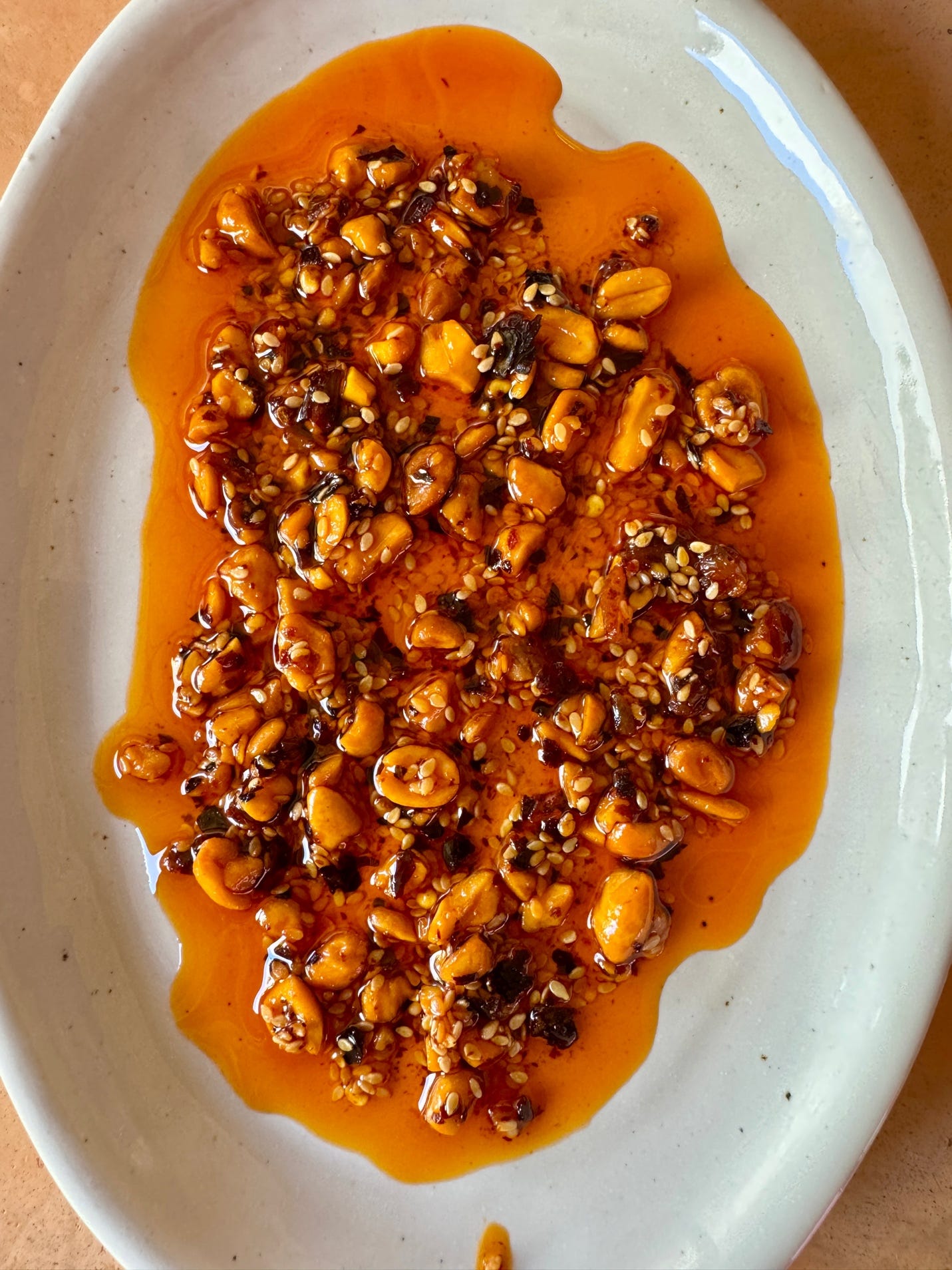
An oil-based salsa with deep roots, regional variations, and endless personality.
TL;DR: What This Post Covers
Salsa macha is an oil-based salsa made with dried chiles, nuts, seeds, and aromatics toasted until fragrant, then preserved in oil. Earlier versions in Veracruz were dry chile-and-seed pastes made without oil. After the Spanish brought olive oil to New Spain, oil was incorporated, giving rise to the liquid style we know today. It is crunchy, nutty, spicy, and endlessly useful — once you make it, you’ll want to spoon it on everything.

What It Is
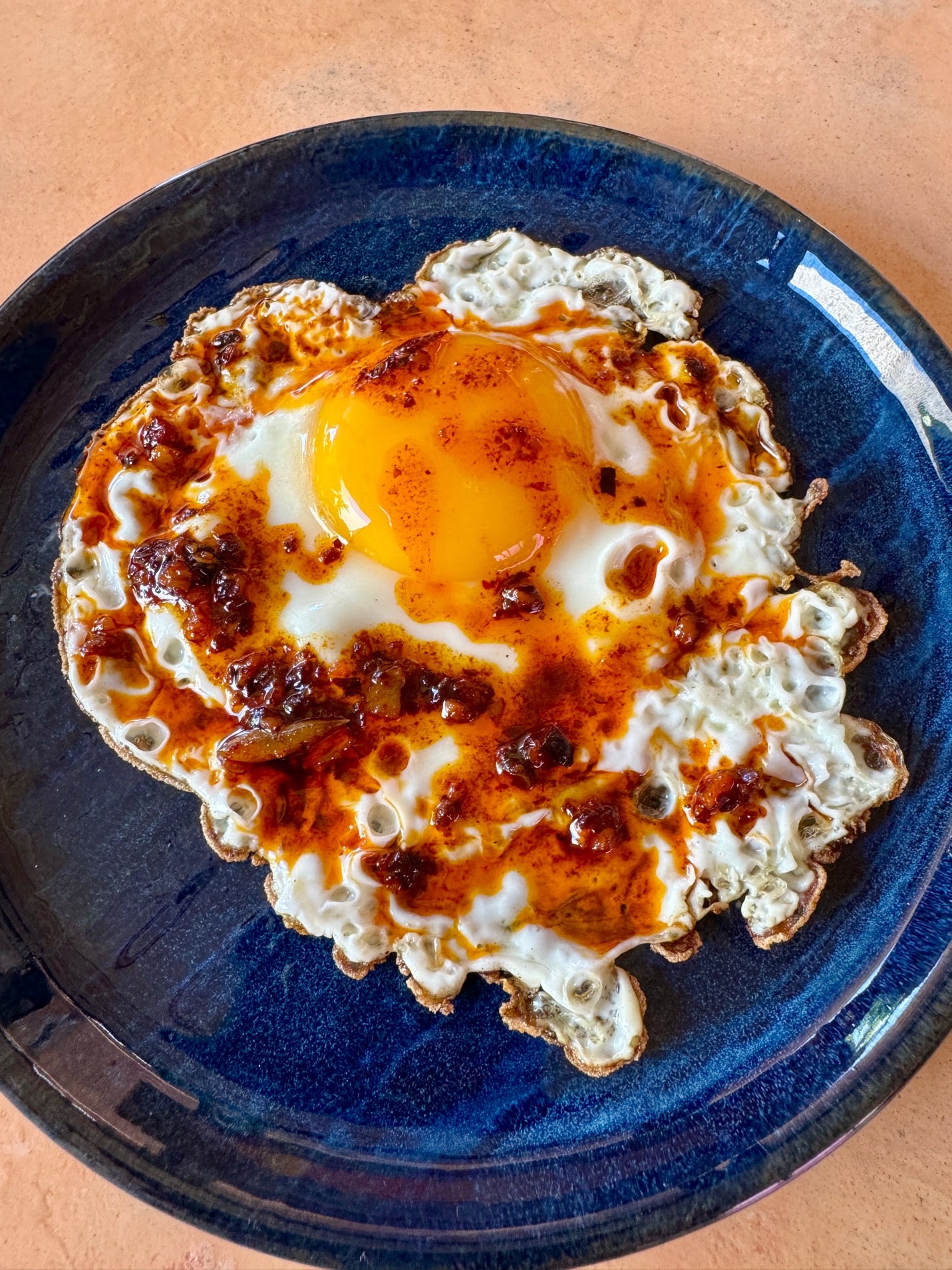
At its core, salsa macha is a blend of dried chiles, nuts, seeds, and aromatics toasted until fragrant, then submerged in hot oil. The result is both crunchy and glossy, fiery and rich, savory and slightly sweet. It has texture, depth, and body in a way few other salsas do. You can spoon it over eggs, swirl it into beans, toss it with roasted vegetables, drizzle it onto tacos, or whisk it into dressings.
A Little History
Salsa macha’s story begins before the Spanish arrived in Mexico. In Veracruz and nearby regions, Indigenous communities prepared something similar: a dry salsa made by grinding toasted chiles, seeds, and sometimes nuts into a paste with a metate or molcajete. These pastes concentrated flavor and preserved ingredients before refrigeration.
When the Spanish colonizers arrived in the 16th century, they brought olive oil to New Spain. Over time, oil began appearing in these chile-and-nut preparations, first as a way to preserve and extend shelf life. This transformed the dry paste into the oil-based salsa that became known as salsa macha. The Diccionario Enciclopédico de la Gastronomía Mexicana places its origin in Veracruz after colonization, and Larousse Cocina describes the liquid version specifically as containing olive oil.
Some sources dispute the origin, pointing also to Oaxaca, but Veracruz’s mountain regions — Córdoba, Orizaba, Zongolica — are most often cited as the heartland. From there, salsa macha spread, adapted, and took on new forms across southern and central Mexico.
Salsa Macha in Mexico Today
Regional variations reflect local ingredients and traditions. The most widely recognized versions come from Veracruz and Oaxaca, but you’ll find interpretations in Puebla, Michoacán, Jalisco, and beyond.
Veracruz
Often cited as the birthplace, Veracruz is known for versions with a strong nutty backbone and plenty of crunch.
Ingredients: dried chiles de árbol, chipotle, or morita, combined with toasted peanuts and sesame seeds.
Flavor profile: deep, rich, and smoky, with a distinctive crunch from peanuts.
Oaxaca
In Oaxaca, macha adapts to the region’s biodiversity and bold food traditions.
Ingredients: chapulines (toasted grasshoppers) in some versions; chile pasilla oaxaqueño or cascabel for smokiness and heat; nuts like almonds or pumpkin seeds alongside peanuts and sesame.
Flavor profile: layered, earthy, and smoky, sometimes with a surprising crunch from insects.
Puebla
Puebla’s love of layered sauces shows up in its machas.
Ingredients: guajillo and chile de árbol with ancho or morita, plus garlic, onion, and a touch of Mexican oregano.
Flavor profile: spiced, slightly herbal, and chile-forward with depth and warmth.
Michoacán and Jalisco
In western Mexico, macha sometimes takes on a fresher profile.
Ingredients: chile de árbol and plenty of garlic, occasionally balanced with tomato or tomatillo.
Flavor profile: spicy but bright, with a touch of acidity to soften the heat.
Other Variations
Across Mexico, salsa macha is endlessly flexible:
Seeds: sunflower, almonds, or pumpkin seeds swapped in or added to sesame and peanuts.
Sweeteners & acids: a spoonful of brown sugar, agave, or vinegar for balance.
Dried fruits: cranberries, raisins, or cherries for sweetness and contrast.
Salsa seca resurfaces
Some cooks are reviving a nearly oil-free style often referred to as salsa seca, which resembles the older, paste-like version made by grinding toasted chiles, nuts, and seeds with only minimal oil. While it may never have disappeared, it has gained visibility again, especially on social media, where younger cooks are experimenting with the thicker, concentrated paste as an alternative to the glossy oil-based version.
How I Make Macha
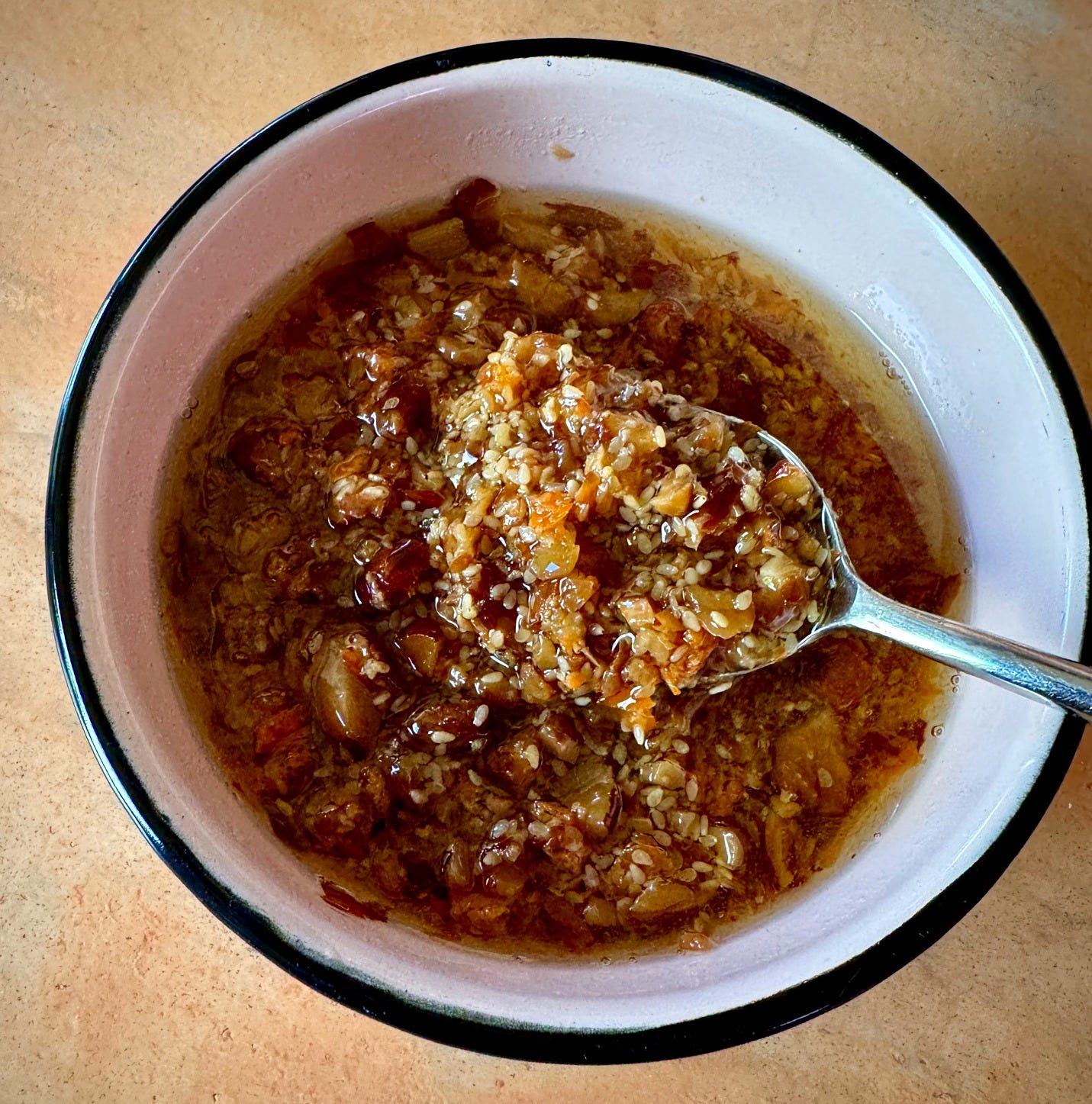
When I make salsa macha, I almost always put my own spin on it. One of my favorite versions uses ghee and vanilla. The ghee adds richness, the vanilla brings a gentle sweetness, and together they transform the chile-and-nut base into something unexpected and deeply satisfying. That version made it into Salsa Daddy because I love it so much.
I’ve also swapped the usual peanuts for pecans. I first did it for my restaurant menu in California, and it completely changed the flavor. Pecans give the salsa a buttery depth that feels both familiar and new.
And these days, I nearly always add pickled chiles and a splash of their vinegar brine. It started as a way to tame the heat of habaneros by soaking them in acid, but the result was so good I never stopped. The pickling brightened the chile, and the vinegar cut through the richness of the oil. Now, whether it’s jalapeños en escabeche or habaneros, I love the way that little hit of acidity makes the salsa sparkle.
That’s the point of macha: it isn’t about following a strict recipe. Once you know the base, you can follow your sazón, add what feels right, and discover your own version.
👉 Coming in Part 2: I’ll share two recipes — a traditional Peanut Salsa Macha and my Vanilla-and-Ghee Salsa Macha — so you can taste both the classic and the unexpected side by side.
💬 Your Turn: Have you tried salsa macha before? If so, what did you eat it with? If not, what would be the first dish you’d spoon it over?

Keep Going
Check the other entries:
→ Salsa School: Salsa Roja
→ Salsa School: Salsa Verde
→ Salsa School: Guacamole
Want more salsa inspiration? Order Salsa Daddy. You’ll find traditional machas, playful spins with ghee and vanilla, and countless other salsas to spoon on everything from tacos to grilled vegetables.
🌶️ Loving Salsa School? Subscribe to Sazón so you don’t miss a lesson. Here’s how it works:
Free subscribers get the first five Salsa Schools (Roja, Verde, Guacamole, Macha, Hot Sauce), plus access to the 100 recipes already in the index and weekly posts.
Paid subscribers get all new weekly recipes, all future Salsa Schools and guides (beyond the first five), and deeper dives into Mexican cooking.
Both are great. Paid is better.

Sources
Diccionario Enciclopédico de la Gastronomía Mexicana (cited via Taste & Larousse Cocina)
Larousse Cocina, “Salsa macha” entry
Excélsior: “¿Qué es la salsa macha? Origen, receta clásica y consejos para conservarla” (2024)
Gourmet de México: “Qué es la salsa macha” (2022)
Saborearte: “La macha, una salsa longeva” (2020)
El Sol de Orizaba: “Salsa macha, el tesoro picante que nació en Orizaba y conquistó al mundo” (2023)
UnoTV: “Salsa macha: la receta de la exquisita salsa picante mexicana” (2023)
MedioTiempo: “Salsa macha: qué es, origen y cómo conservarla correctamente” (2023)
Hello Rick, thank you for a comprehensive primer on salsa macha. I’m sure I’ll love every version. I come from the western part of India & the rural areas there make condiment called mithbhurka. It has the SAME ingredient profile as salsa macha. Roasted, coarse ground peanuts, sesame seeds, garlic pieces, oil & red chile powder. These connections just blow my mind.